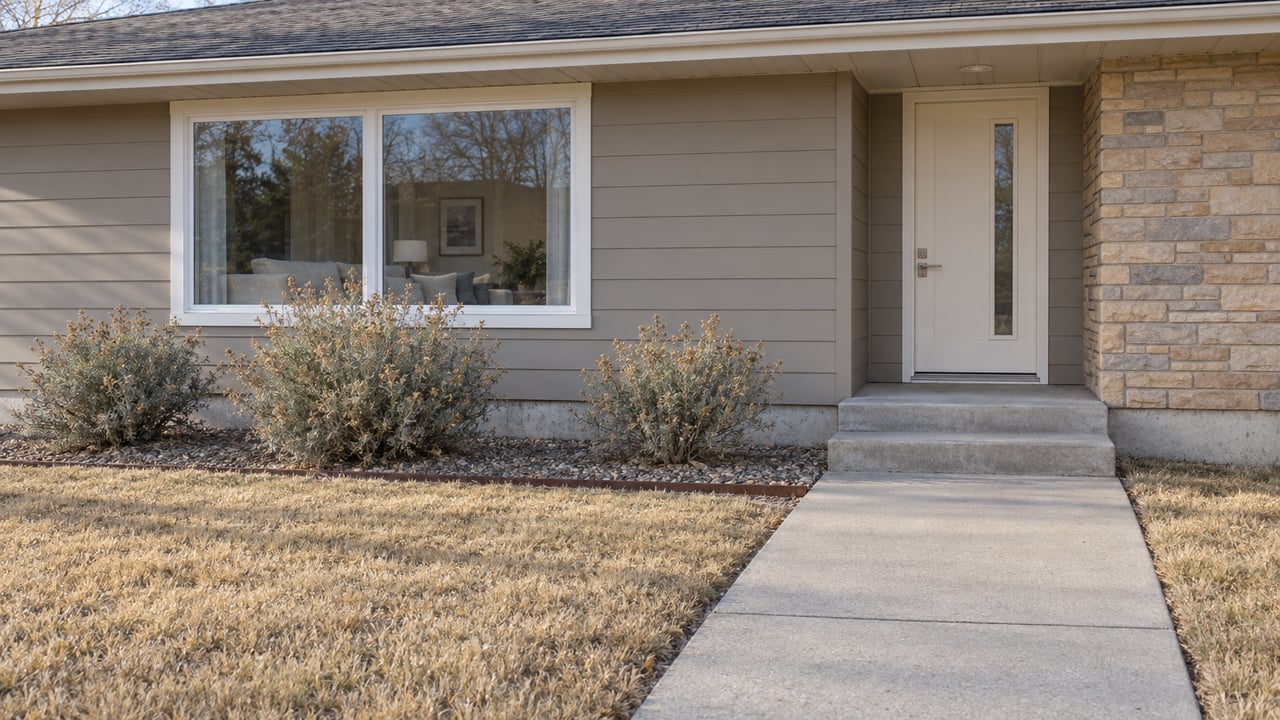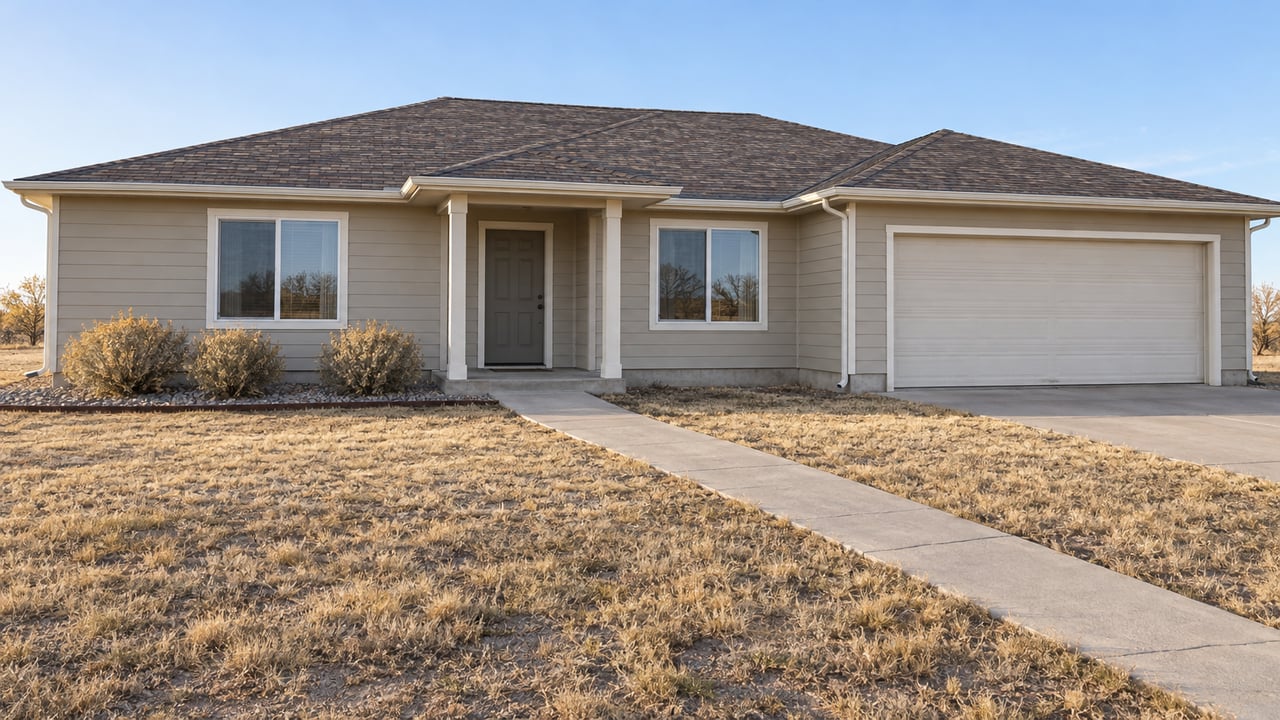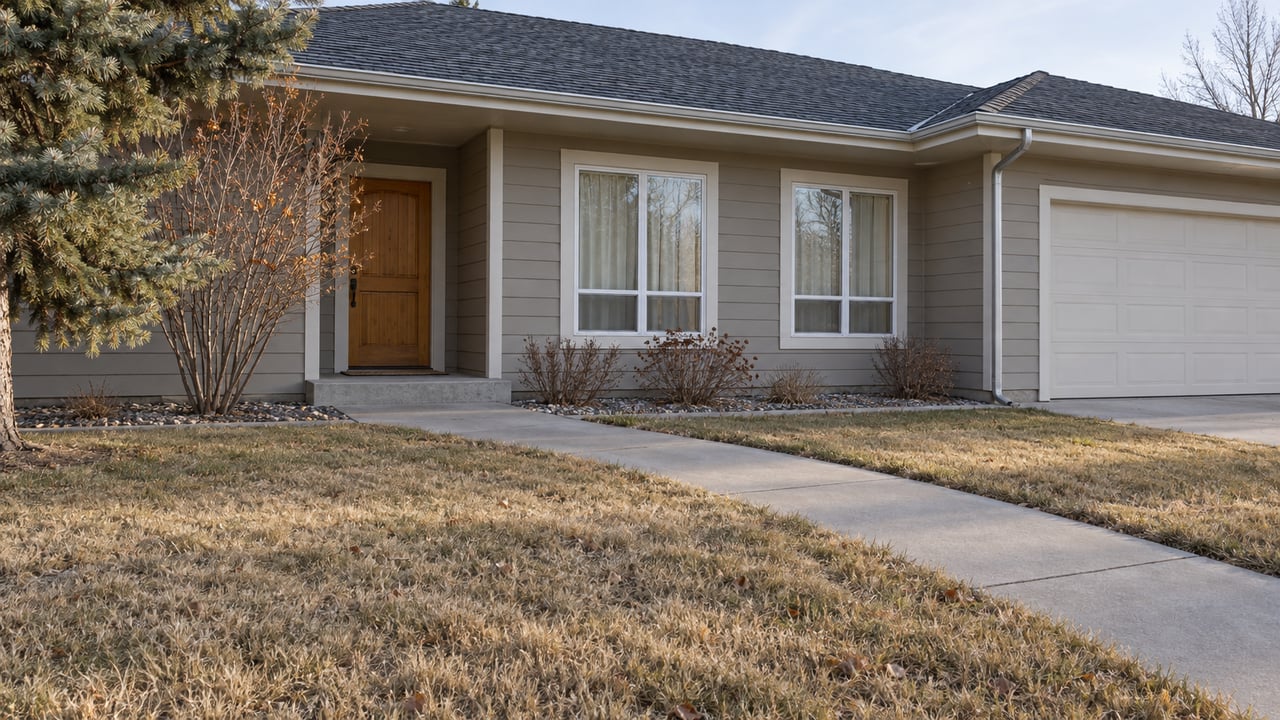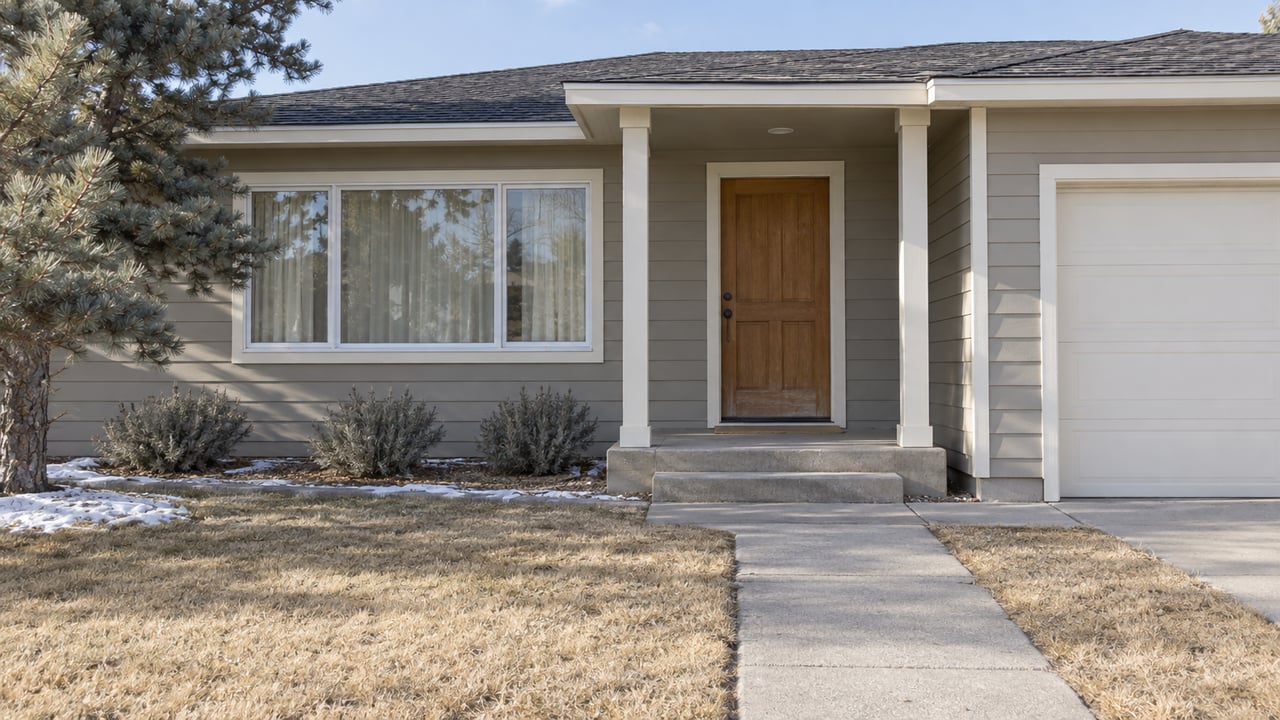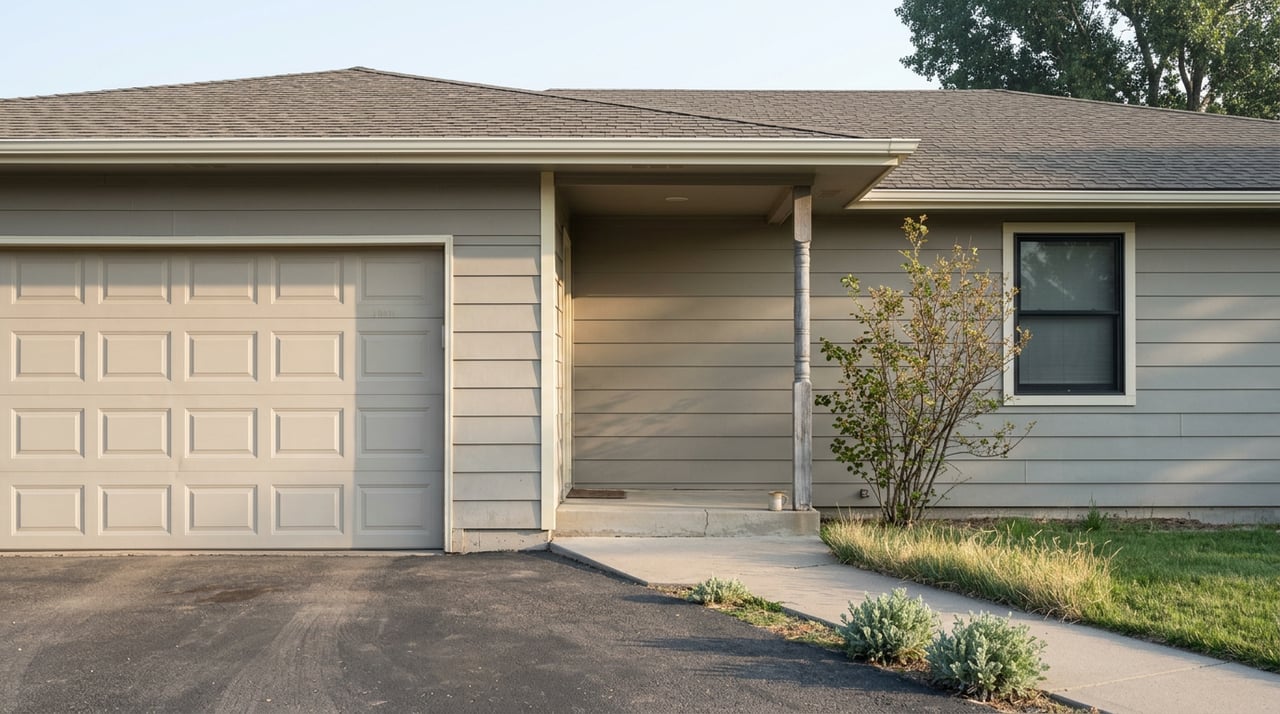
A buyer I worked with this spring had been watching listings in Green River for two months, expecting the slow pace she remembered from a couple of years back. Instead, a modest three-bedroom near downtown went pending nine days after it hit the market. She asked me if she was just moving too slowly. She wasn't. Something in the market itself had sped up, and it had nothing to do with her offer.
That something is easy to miss if you're only looking at a portal's price chart. The numbers on their own look like a normal, moderately warm year. It's what's sitting behind those numbers, two industrial projects that haven't broken ground yet, that changes how you should read them.
What the top-line numbers actually show
Green River's median sale price sat at $326,804 in May 2026, up 2.9 percent from the year before. A month later, homes were selling for a median of $335,000, with the average listing spending 52 days on the market before going under contract, down from 82 days the prior year. Forty homes sold that June, nearly double the 22 that sold the same month a year earlier.
Read in isolation, that's a market warming up on its own. Rates, a thin year of new listings, ordinary seasonal demand. Nothing here tells you why.
The real driver a price chart can't show you
Twenty miles southwest of Green River, a company called Pacific Soda has spent years working through federal permitting on something called the Dry Creek Trona Project, a solution mine expected to cost between $5 and $6 billion. The site holds an estimated 117 million tons of recoverable trona sitting roughly 2,300 feet underground, and once running it's projected to produce up to 6 million metric tons of soda ash and more than 440,900 metric tons of baking soda a year.
In May 2025, the Bureau of Land Management issued a Record of Decision approving the project. Company estimates filed earlier put peak construction employment as high as 4,200 workers, with a permanent workforce near 530. The federal approval that followed settled on more conservative figures: up to 2,000 workers during construction and about 300 full-time positions over the life of the mine. That gap between the company's early pitch and the regulator's signed-off number is worth knowing, because it's the 300 figure that carries weight once permits are in hand.
Then, on July 8, 2026, just a month before this was written, the BLM issued right-of-way grant offers for the project, authorizing construction of key infrastructure on federal land. A notice to proceed still depends on a Wyoming Department of Environmental Quality mining permit and an accepted reclamation bond. In plain terms: the paperwork cleared another gate, but no one has broken ground on the mine itself yet.
A second project sits nearby. WE Soda's Project West plans a processing facility near Granger with a solution mining area about 16 miles southeast of it. Company estimates put peak construction employment around 1,200 jobs, with roughly 300 permanent positions once running, starting at about 3 million tons of soda ash a year, half of what Pacific Soda expects to produce at full capacity.
| Project | Company | Peak Construction Jobs | Permanent Jobs | Status as of Aug 2026 |
|---|---|---|---|---|
| Dry Creek Trona Project | Pacific Soda LLC | up to 2,000 (BLM figure) | about 300 | BLM right-of-way grant offers issued July 8, 2026; state permit and bond still pending |
| Project West | WE Soda | about 1,200 | about 300 | Development ongoing, benefiting from combined infrastructure with Genesis Alkali |
Why one acquisition made both projects more likely
In February 2025, WE Soda closed an all-cash deal to acquire Genesis Alkali for $1.425 billion, making it the largest soda ash producer in the world with roughly 9.5 million metric tons of annual capacity. In its own announcement, WE Soda said the deal would let it combine Alkali's existing Green River facilities with Project West, cutting the cost and development risk of building the new project from scratch.
That matters for anyone trying to gauge how real these projects are. A standalone junior mining company chasing permits is a bet. A company that already employs hundreds of people in Green River, already runs processing plants and an underground mine roughly 1,600 feet below the surface, and just spent over a billion dollars consolidating its position here is a different kind of commitment.
As Cowboy State Daily reported, one Green River mayor put it some years ago, describing the industry's role in the town:
"Trona is the life blood of this community."
That's not a new sentiment. What's new is the scale of what's queued up behind it.
What this means if you're comparing Green River to other towns nearby
If you're weighing Green River against Rock Springs or a smaller Sweetwater County town purely on median price, you're missing the mechanism that's likely to keep pushing Green River's numbers around for the next several years. Genesis Alkali already runs subsidized transportation for workers commuting from Green River, Rock Springs, and the Bridger Valley, which means housing pressure from these projects won't stop neatly at the city limit. A construction workforce measured in the thousands, even temporary, has to live somewhere within a reasonable commute, and Green River sits closest to both project sites.
A few signals are worth tracking if you're timing a purchase around this:
- Whether the Wyoming DEQ issues the mining permit and accepts the reclamation bond for Dry Creek, which triggers the actual notice to proceed
- Whether Pacific Soda or WE Soda post local hiring announcements, which typically precede a visible uptick in rental and starter-home demand
- Whether days on market keeps compressing through the rest of 2026 even in slower selling months, which would suggest the pressure is structural rather than seasonal
None of this means home prices will spike overnight. Large industrial mining projects in Wyoming routinely take years between federal approval and the first shovel in the ground. But the housing data already shows a market tightening before any of that construction workforce has arrived. If both projects move forward on anything close to their current timelines, what buyers are seeing now in Green River is the early edge of the pressure, not the peak of it.
Quick answers
Is the Dry Creek Trona Project actually going to get built?
It has cleared two major federal milestones, a Record of Decision in May 2025 and right-of-way grant offers in July 2026, but a state mining permit and reclamation bond still need to be finalized before construction can formally begin. Treat it as likely, not guaranteed on a fixed date.
Does this only affect people looking in Green River itself?
No. Genesis Alkali already moves workers between Green River, Rock Springs, and the Bridger Valley through subsidized transportation, so a construction workforce tied to either project could spread housing demand across more than one town in Sweetwater County.
Should I wait to buy until the projects break ground?
Waiting for certainty has a cost of its own. Days on market in Green River had already fallen from 82 to 52 and monthly sales had nearly doubled year over year before either project moved a single piece of heavy equipment. If that trend holds while permits finish clearing, the entry point you're waiting for may not get easier.
If you're weighing Green River against another Sweetwater County town and want to talk through what this timeline actually means for your search, or your listing, Forever West Land & Home is a good place to start that conversation. Let's connect.
This article is general information, not legal, tax or financial advice. Consult a qualified professional about your situation.