Pull the "Rock Springs median home price" from three different sites this month and you will get three different answers. Houzeo shows $255,000 as of January 2026. Redfin's most recent snapshot lands at $306,000. Realtytrac puts the median estimated value at $320,000, inside a range that runs from about $28,000 all the way to roughly $890,000 across the same ZIP.
That spread is not a rounding error. It is the whole story. Rock Springs is a single ZIP (82901) that quietly holds four different sub-markets, and the citywide median averages them into a number that describes almost none of them.
Three medians, one ZIP
| Source | Median | Window | Extra detail |
|---|---|---|---|
| Houzeo | $255,000 | January 2026 | 47 days on market, 3.7 months of supply, 95.88% sale-to-list |
| Redfin | $306,000 | mid-2025 | $157/sqft, up 7.1% year over year, pending in ~17 days |
| Realtytrac | $320,000 | trailing year | 323 transactions, value range $28,074 to $890,795 |
If you are relocating from Denver, Salt Lake City, or a larger Wyoming market, the natural instinct is to pick the middle number and assume that is what a "normal" Rock Springs house costs. It is not. Realtytrac's own data shows single-family homes running about $33 per square foot above condos inside the same ZIP, and recently sold homes ranging from roughly $35,000 to $616,958. That is a 17x spread on closed sales in one calendar year, inside one city, under one ZIP.
The mechanism behind the disagreement is simple. Each source weights its median from a different slice of the market. Manufactured homes and older downtown stock pull the number down. Newer builds and larger-acreage properties on the outskirts pull it up. Whichever slice a source over-samples in a given month becomes "the median."
The four sub-markets sitting inside 82901
The reader who has already looked at two portal snapshots does not need another headline number. What they need is a map of what is actually being sold.
Older core inventory near downtown. This is the part of the market that drags the median down. It is also the part that Rock Springs Main Street and the Urban Renewal Agency (URA) are actively working on. The URA's 2025 to 2027 strategic plan, adopted under manager Chad Banks, targets downtown as a regional hub for business and the arts. The recent council debate over the city-owned First Security Bank building at 502 and 504 South Main tells you where downtown pricing sits today: the property was appraised at $695,000, but the standing bid was only $75,000, and the council tabled the sale in April 2026 to review a late alternative offer. That gap between appraisal and market bid is a fair proxy for how the downtown corridor is being priced right now.
The Dewar Drive / Foothill Boulevard retail corridor. This is the part of the market quietly repricing upward. Natural Grocers opened its third Wyoming store here on April 29, 2026, inside White Mountain Mall, marking the ribbon-cutting with a $2,500 donation to the Food Bank of Sweetwater County. Ulta had already opened at the mall. Christie Development has an in-line pad next to Home Depot in the same node. A retailer that skipped Laramie and Gillette to land here read the regional draw (Green River, Farson, Eden, Pinedale, and the Utah border towns) as strong enough to justify the investment. Homes within a short drive of that corridor benefit from amenity density that did not exist two years ago.
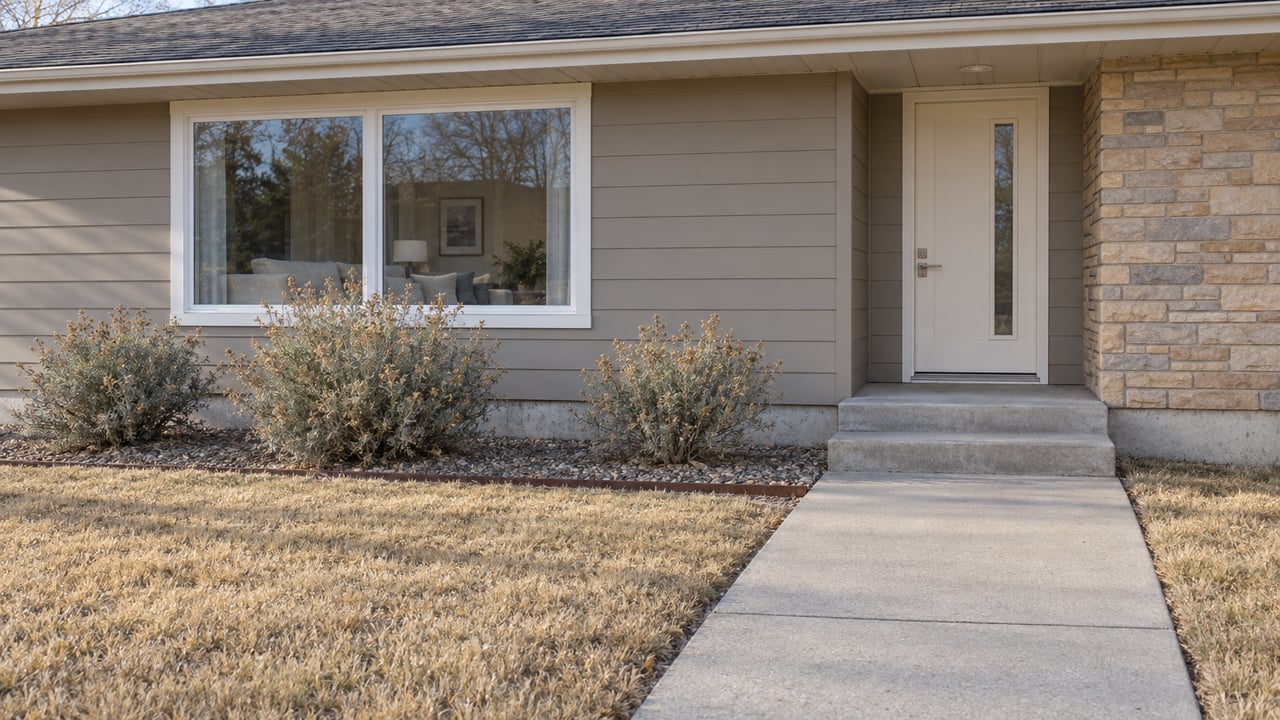
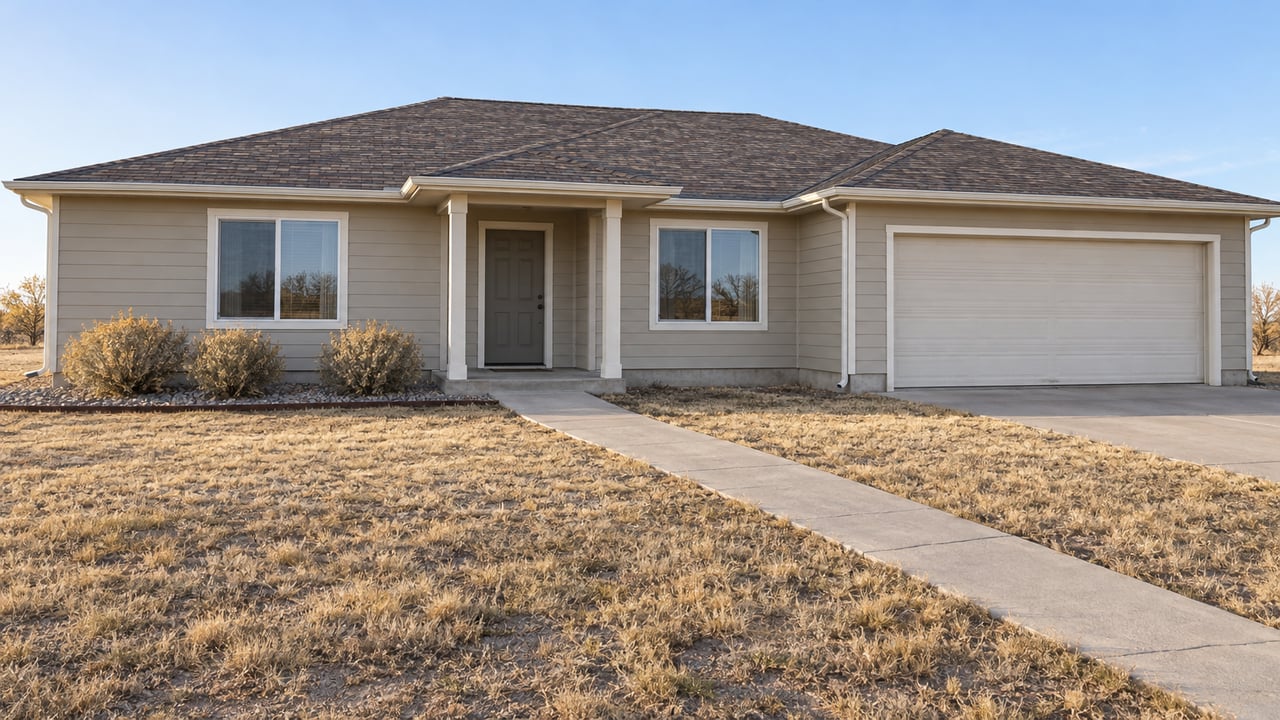
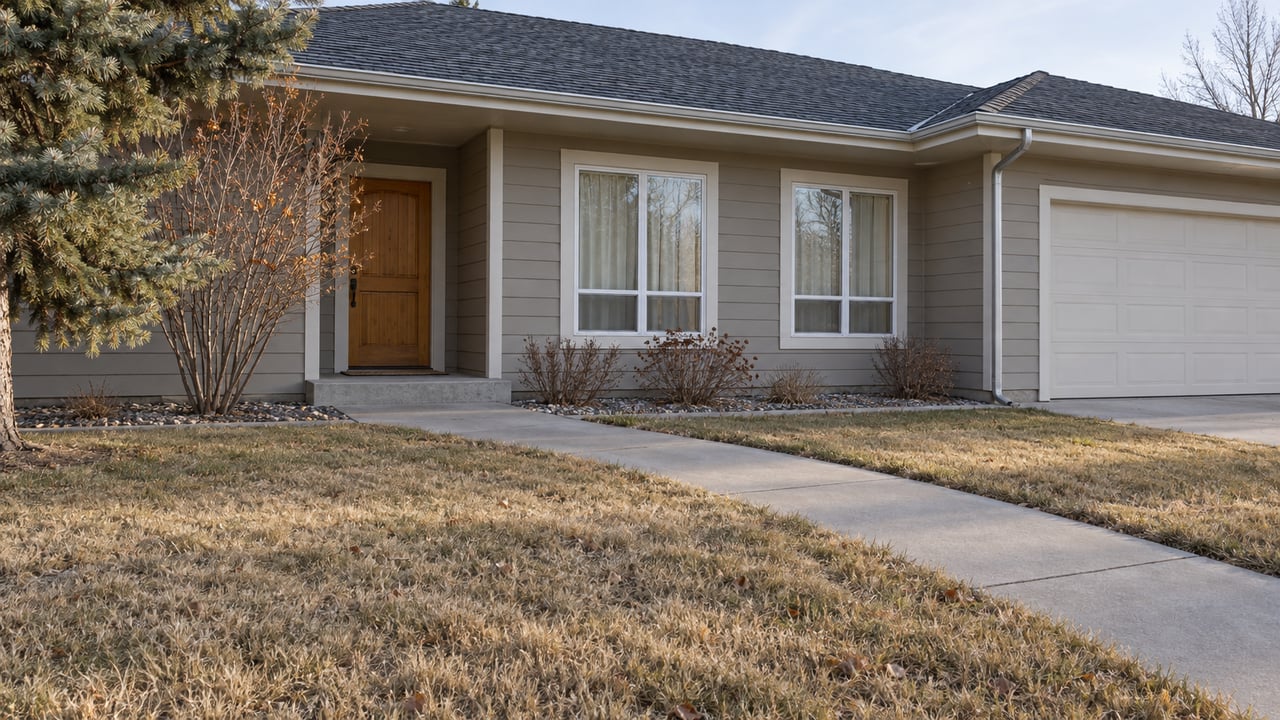
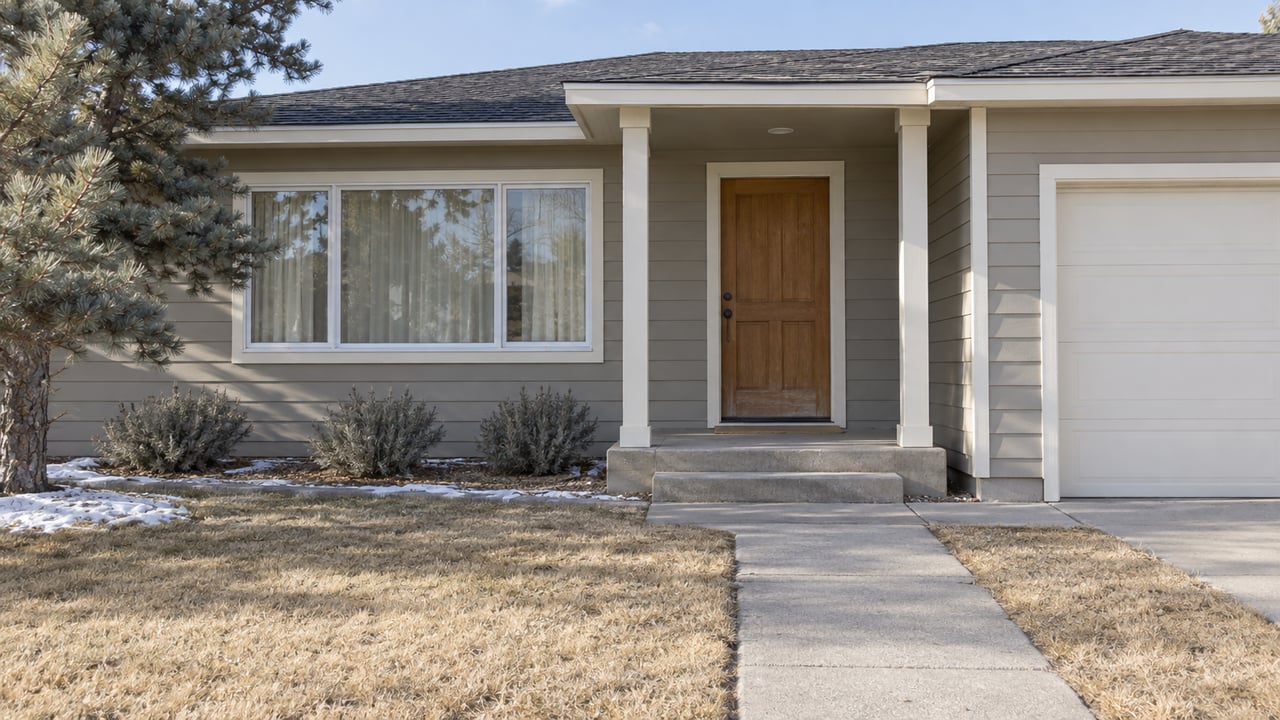
Newer suburban and outer-ring construction. Larger single-family homes on standard lots are where the $306K and $320K medians actually come from. Redfin's $157 per square foot and Realtytrac's $320K median describe this segment better than the citywide average does.
Acreage and land-and-home. The top of the Realtytrac range, close to $890,000, sits here. These are not median-priced homes. They are a different product entirely, and they belong in a different conversation.
The pace metrics say the opposite of the price
Look only at the median and Rock Springs looks flat or slightly down year over year. Look at pace and it does not look flat at all.
Houzeo's January 2026 data shows 3.7 months of supply, a sale-to-list ratio of 95.88%, and 47 days on market. Redfin's mid-2025 snapshot showed homes going pending in roughly 17 to 19 days, with some hot listings clearing in around 5 days. Both point to demand outrunning inventory in the segments that are actually moving, even while the headline median holds steady.
The rental side is doing something different. Zumper reports the average Rock Springs rent at $986 as of July 25, 2026, flat month over month and down 10% year over year. When rents soften while for-sale pace stays tight, it usually means the marginal buyer is choosing to purchase rather than lease. That is a signal worth reading if you are trying to time an entry.
Where corridor pricing beats median pricing
If you are comparing two homes at the same asking price, the corridor decides which one is the better buy. A few working rules to hold in mind:
- A home within a short drive of the Dewar/Foothill amenity node (White Mountain Mall, Natural Grocers, Ulta, Home Depot) is buying you both a house and access to a retail cluster that did not exist at this density before spring 2026.
- A home in the downtown core is buying you a URA-backed revitalization thesis. The city has already invested roughly $2.9 million in grant money on the First Security Bank site alone. That investment is real, but it is a longer horizon than a retail opening.
- A home in newer construction on the outer ring is closer to the true "median" experience the portals describe, which is why it tends to trade near list.
- Acreage properties are their own animal. Do not price them off the citywide median at all.
The Rock Springs 2026 capital calendar reinforces the corridor idea. The city opened bids for its 2026 street overlay and concrete replacement projects this spring, and the Century West Park splash pad received a single $474,870 bid from Ohio-based Rain Drop. Where the city spends is where the corridor value follows.
What this means for your offer
For a buyer, the practical move is to ignore the citywide median as a pricing anchor and instead pull comps within a half-mile radius of the specific home, sorted by year built and lot size. That is the number that will actually predict your appraisal.
For a seller, the same discipline matters in reverse. Pricing off the $306K or $320K figure will either leave money on the table (if you are on the amenity corridor or in newer construction) or stall the listing on the market (if your home sits in the older downtown stock the median is being propped up by).
Neither move is complicated. Both require someone who can tell you which sub-market your address actually sits in.
Quick answers
Which of the three medians is "right"? None of them, on their own. Each is accurate for the slice it samples. Use all three as a range and then narrow to the corridor that matches the home.
Is Rock Springs a buyer's or seller's market in 2026? By pace, still a seller's market in the moving segments. By pricing power, softer than it was, with a sale-to-list ratio under 96% in January 2026.
Does the Natural Grocers opening actually change home values? Not overnight. Retail anchors change the perceived desirability of a corridor over 12 to 36 months. The Dewar/Foothill node also has Ulta and Home Depot already in place, which is the pattern retailers watch before committing.
How should a relocation buyer read the $28K to $890K value range? As proof that the citywide median is the wrong tool. Compare homes to their corridor peers, not to the city average.
If you want a read on which corridor a specific address actually sits in, and what that means for your offer or your list price, Forever West Land & Home is happy to walk through the numbers with you. Let's connect.