Buying land near Farson can feel exciting right up until the practical questions start piling up. A parcel may look perfect on a map, but details like legal access, permits, water, septic, and mineral rights can change what you can actually do with the property. If you are thinking about buying land in the Farson area, understanding these issues early can help you avoid surprises and move forward with more confidence. Let’s dive in.
Start With Legal Access
One of the biggest land-buying mistakes is assuming visible access is the same as legal access. In the Farson area, that is not always the case.
Sweetwater County’s federal land use plan notes that access issues are common in this region, especially because of the Wyoming Checkerboard pattern of alternating private and public sections. A parcel may appear easy to reach from a dirt road, but access can still depend on recorded easements, rights-of-way, seasonal restrictions, or whether a road is privately or publicly controlled.
That matters even more in southwest Wyoming because public land boundaries are a major part of the landscape. BLM Wyoming manages 18.6 million acres of public surface estate, and the Rock Springs Field Office manages more than 3.6 million acres of public land surface in this part of the state. In practical terms, boundary and access questions come up often when buying land near Farson.
Before you buy, it is smart to ask a simple but important question: Do you have recorded legal access, or just a visible route?
Access Questions to Ask
- Is the road public or private?
- Is there a recorded easement to reach the parcel?
- Do any seasonal restrictions affect use?
- Will you need to cross neighboring land?
- Is the route suitable for year-round access?
Check County Zoning Early
Zoning can affect much more than a future home build. It can also shape what you can do with driveways, shops, sheds, barns, fuel tanks, utilities, and other site improvements.
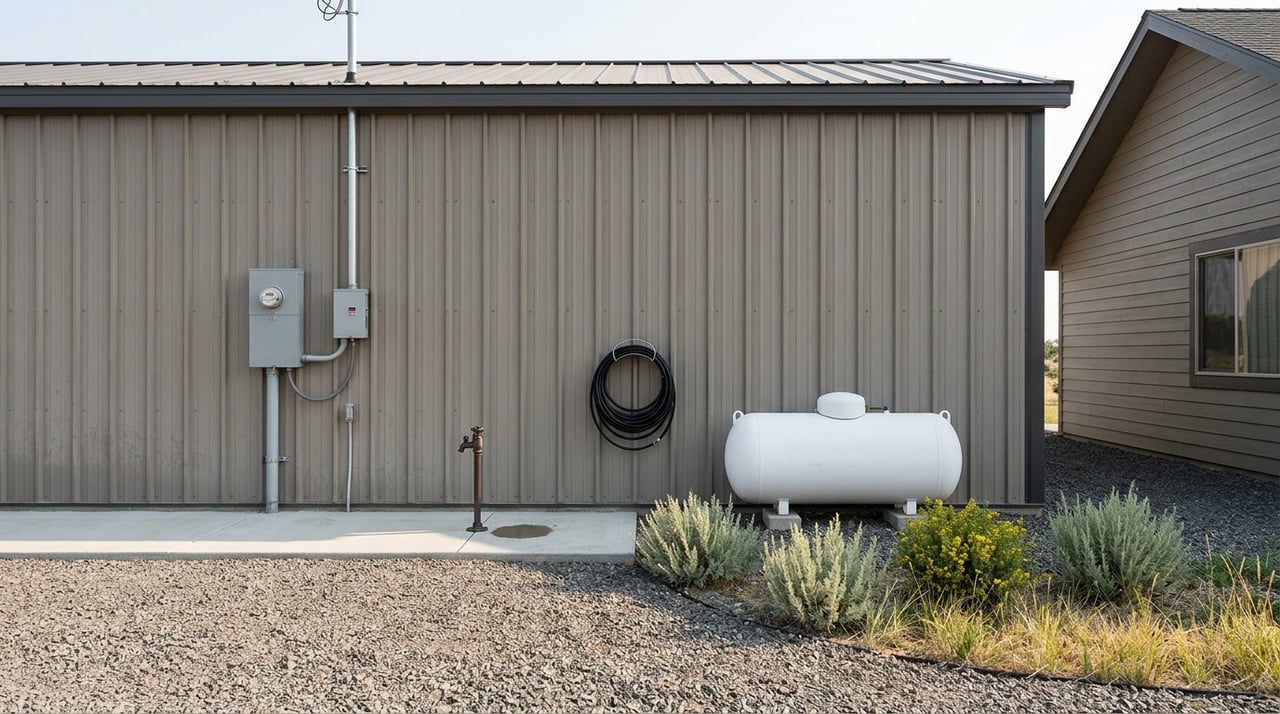
Sweetwater County Land Use maintains the official zoning map for unincorporated land and requires a zoning permit before construction or alteration. The county’s construction permit application asks for a site plan that includes the property address, legal description, dimensions, setbacks, driveway location and culvert size, septic and well locations, utilities, easements, fuel tanks, and outdoor storage areas.
This is one reason raw land should be evaluated as a usable site, not just as acreage. Even small improvements may involve planning work before construction begins.
Outbuildings and Small Structures Matter Too
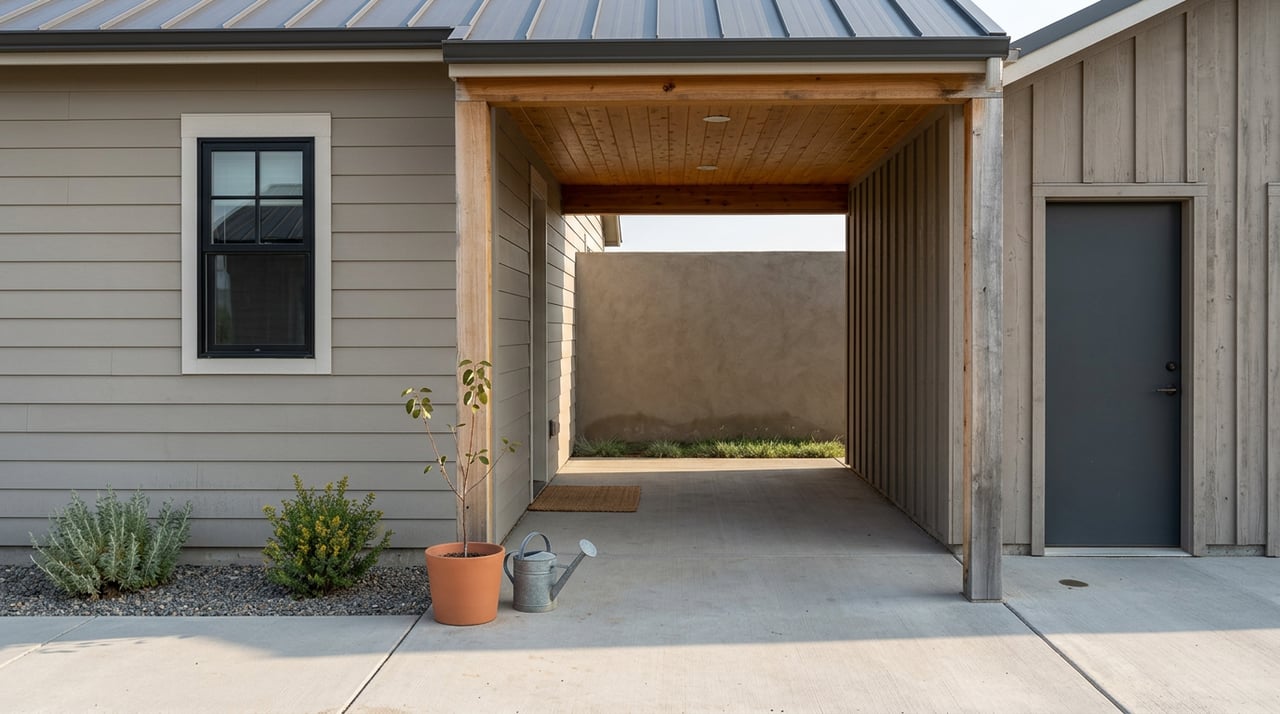
If a parcel already has a shed, shop, barn, or container on it, do not assume it is automatically allowed or properly placed. Sweetwater County’s zoning resolution lists common residential accessory uses like garages, shops, sheds, carports, and kennels, but it also says a permitted use or structure generally must exist before an accessory use or structure can be established or used.
There are limited exceptions. Some residential accessory structures under 200 square feet that are one story, unattached, and meet setback rules do not require a zoning permit. The zoning resolution also separately lists a site-built barn in the Agriculture district as not requiring a zoning permit.
That means existing improvements should be reviewed carefully during your due diligence. A structure on the property may still raise questions about zoning, setbacks, or allowed use.
Plan for Driveway Approval
Driveway access is not just a later construction detail. In many cases, it is part of whether the land works for your goals.
If access comes from a county road, Sweetwater County requires a separate Access/Driveway Permit Application. The form notes that processing may take up to two weeks because the site is physically inspected, and it asks for culvert size when needed.
This is worth addressing before closing if possible. The location of the driveway, road conditions, and culvert needs can affect cost, layout, and timing.
Why Driveway Permits Matter
- They can affect where you place a home or shop
- They may add time to your project schedule
- They can create added costs for culverts or site work
- They help confirm the parcel’s practical access from the road
Understand Well and Water Limits
Water is one of the most important land-readiness questions in rural Wyoming. Buying acreage does not automatically mean water use will be simple.
Wyoming’s State Engineer’s Office says there is no statewide acreage minimum to drill a well, but the well must be at least 10 feet from a property line. The agency also notes that local ordinances may still impose acreage rules.
Just as important, a well permit does not grant a right-of-way. The State Engineer’s Office also says shared wells are not recommended. And because Wyoming follows prior appropriation, owning land with a stream does not automatically give you the right to divert or use that water.
For buyers, the big takeaway is this: land ownership and water rights are not the same thing. If water is a major part of your plan, that issue deserves close review from the start.
Evaluate Septic Feasibility
If a parcel will need a conventional septic system, the land itself has to support it. Not every property is equally ready for that step.
The Wyoming DEQ conventional system packet applies to systems under 2,000 gallons per day of domestic wastewater. It says soil percolation must fall between 5 and 60 minutes per inch, and seasonal high groundwater, bedrock, or impervious clay must be at least four feet below the proposed leachfield.
The packet also warns that leachfields should not be placed in floodways or in low spots where runoff can pond. Sweetwater County’s construction permit directs applicants to Sweetwater County Environmental Health for new septic systems.
Septic Questions to Review
- Is there enough usable area for a leachfield?
- Do the soils support a conventional system?
- Are groundwater or bedrock depth concerns likely?
- Is the best building area also the best septic area?
- Are there low spots where runoff could collect?
Look at Fencing Requirements
Fencing may not be the first thing you think about when buying land, but it can affect your budget and planning.
Wyoming law requires perimeter fences for subdivisions adjacent to land where livestock can legally run at large unless a legal fence already exists or neighboring landowners agree fencing is unnecessary. The subdivider is responsible for the original construction costs, and Wyoming subdivision law requires fence plans to be submitted when fencing is needed.
If the parcel you are considering is in a subdivision, this is a good item to ask about early. Knowing who is responsible for fencing can help you understand future obligations and avoid confusion after closing.
Prepare for Different Financing
Land financing is often different from buying a finished home. That can surprise buyers who are ready for a traditional home loan process.
According to the research provided, vacant land often falls outside standard home mortgage channels, and USDA Rural Development single-family programs are aimed at buying, building, or repairing homes in rural America. In practical terms, that means you should ask early whether the parcel fits a land loan, a construction-to-permanent loan, or another lender-specific option.
Having that conversation upfront can save time. It can also help you narrow your search to parcels that match both your vision and your financing path.
Review Title and Mineral Rights Carefully
Title work is especially important when buying land in Wyoming. Surface rights and mineral rights are not always the same.
BLM notes that many Rocky Mountain West properties are split estate parcels, where private surface rights sit above federal mineral rights under the Stock Raising Homestead Act. BLM recommends checking the original patent and the master title plat to determine mineral ownership.
Wyoming subdivision law also requires disclosure language in some situations stating that the surface estate is subject to full and effective development of the mineral estate. For a buyer, this means you should not assume mineral rights are included just because you are buying the land.
Key Title Questions
- Are mineral rights included, reserved, or split?
- Does the title show recorded access easements?
- Are there use restrictions tied to the parcel?
- Is the property part of a subdivision with additional requirements?
A Practical Farson Land Checklist
When you are comparing land near Farson, it helps to think beyond price per acre. A lower-priced parcel can become more expensive if access, utilities, septic, fencing, or title issues are harder to solve.
Here is a simple checklist to keep in mind:
- Confirm recorded legal access
- Verify zoning and allowed uses
- Ask whether a driveway permit is required
- Review likely well placement and setbacks
- Evaluate septic feasibility
- Check existing structures for compliance
- Ask about subdivision fencing obligations
- Review title for easements and mineral rights
- Discuss financing options before making assumptions
Why Local Guidance Helps
Land purchases often involve more moving parts than buyers expect, especially in an area like Farson where access, public land boundaries, zoning details, and utility questions can all intersect. Having someone walk through those questions with you can make the process feel a lot more manageable.
If you are considering land near Farson, working with a local broker who understands Sweetwater County can help you ask better questions before you commit. When you are ready for personalized guidance, connect with Abby Atwood for a calm, practical conversation about your goals.
FAQs
What should you verify first when buying land near Farson?
- The first thing to verify is legal access, including whether the parcel has recorded access or only a visible route across neighboring land.
Does Sweetwater County require permits before building on land near Farson?
- Yes. Sweetwater County requires a zoning permit before construction or alteration on unincorporated land, and some properties may also need a separate driveway access permit.
Can you drill a well on land near Farson without a minimum acreage requirement?
- Wyoming’s State Engineer’s Office says there is no statewide acreage minimum to drill a well, but the well must be at least 10 feet from a property line and local ordinances may still apply.
What should you know about septic systems on land near Farson?
- A conventional septic system depends on site conditions such as soil percolation, groundwater depth, bedrock depth, and safe leachfield placement away from floodways and ponding areas.
Are mineral rights always included when you buy land in Sweetwater County?
- No. In Wyoming, mineral ownership may be separate from surface ownership, so title review is important to determine whether mineral rights are included, reserved, or split.
Can existing sheds or barns on land near Farson create zoning issues?
- Yes. Existing outbuildings should still be reviewed for zoning compliance, setbacks, and whether the current district allows them as established or accessory structures.